

Since the 1990s
30
years investigating
250+
investigations closed, incl. HiPOs
15
countries served
20+
countries of lead seminars
100+
nationalities trained
B1 · THE COST OF A REPEAT
What does a recurring problem really cost you?
Currency
How often does it happen?
What does each occurrence cost? (refunds, rework, penalties, staff time)
Cost of leaving it for one year (48 occurrences)
PKR 1.2 crore
Over three years
PKR 3.6 crore
One investigation that finds the real cause usually costs a fraction of a single year.

A simple illustration. Hidden costs, such as lost customers and management time, are usually higher.
B2 · WHAT WE INVESTIGATE
Nine business problems. One disciplined method.
Repeat Problem Investigation
Recurring failures and actions that did not work.
CUSTOMERCustomer Dissatisfaction
What broke the customer's experience, and why.
CUSTOMERComplaint Investigation
Independent review of serious or repeated complaints.
PROCESSProcess Breakdown
Where workflows, controls or handoffs failed.
SERVICEService Failure
Missed service levels, outages and unreliable delivery.
QUALITYQuality / Nonconformance
Defects, escapes and quality problems that return.
OPERATIONSProduction Loss & Downtime
Output lost to stoppages and slow running.
OPERATIONSMaintenance Failure
Reliability problems and maintenance that is not working.
SUPPLY CHAINSupplier / Contractor Failure
Interfaces, specifications and third-party controls.
B3 · WHY AN INVESTIGATION, NOT A WORKSHOP

Evidence first
We start from records, data and the process as it actually runs, not from opinions in a meeting room.

Independent eyes
We are not part of the department involved, so we can look where an internal team cannot easily look.
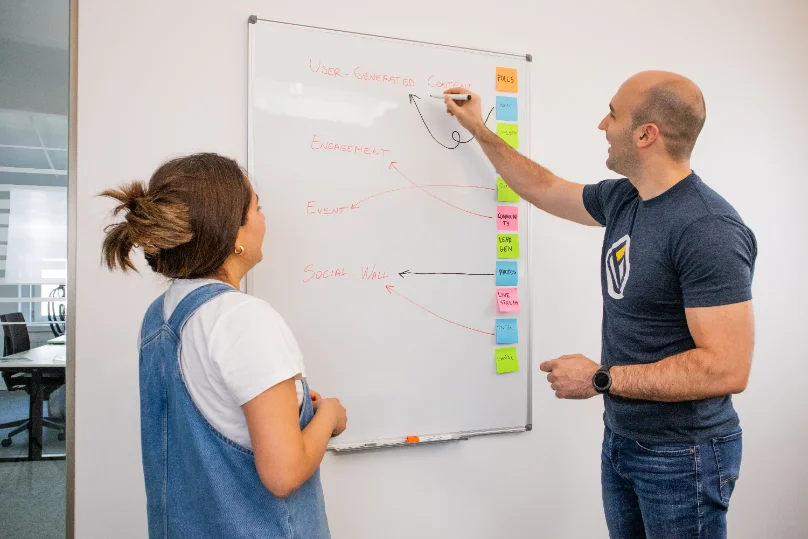
Few, targeted actions
A short list of actions aimed at the causes found, with owners, dates and a check that they worked.
A problem your team has fixed more than once? A first call costs nothing, and we will tell you what the evidence needs to show.

B5 · ONE INVESTIGATION, MANY FINDINGS
You commission one investigation. You get a review of the whole system.
HANDOFFS
Orders passed between sales and production with key details lost.
MEASURES
Teams rewarded for closing complaints fast, not for preventing them.
SPECIFICATIONS
Customer requirements never written into the work instruction.
FEEDBACK
Complaint data held by customer service, never seen by the factory.

A typical example, based on what we see across many business investigations. Not a single client’s case.
The P3i approach
How we investigate a business problem. Fact-finding, not fault-finding.
Every P3i investigation is led by a senior investigator and supported by internationally qualified process specialists. You will not receive a list of people to blame, or a long list of generic actions. You will receive the facts, the proven causes, and a short plan that closes the gaps, in this case and across your system.
Independent
No products, repairs or contracts to sell you afterwards.
Senior-led
Thirty years of investigation, from the first call to the final briefing.
Beyond the event
Process specialists find the other cracks before they fail.
Ready to present
Written for boards, buyers, insurers and regulators.
How P3i does it for you
- 01
Define the problem precisely
What is failing, where, how often and at what cost.
- 02
Gather the data
Complaints, orders, records and process measures.
- 03
Map the process as it runs
Handoffs, rework and workarounds.
- 04
Prove the causes
With evidence, not opinion.
- 05
Fix it once
A short plan with owners, dates and a follow-up measure.
What you receive
Call us when
Free 30-minute case assessment.
Tell us what happened. In confidence, we will tell you what the investigation should cover, how long it will take and what to preserve today.
How we work with you
What happens after you call.
For a business problem, the first call covers how often it happens, what it costs and which records exist. From there, this is the usual pattern.
First hour
A call with a lead investigator. You leave it knowing what to preserve today and who to call next.
Day one
An investigator on site, anywhere in Pakistan. Scope and fixed fee agreed in writing.
Week one
A private briefing on early findings, so urgent risks are dealt with before the report is finished.
Weeks three to four
The final report, the wider system review and a remedial work plan, presented to your team.
After
We come back to check the actions were completed and actually worked.
Typical timings for a single-site event. Complex, multi-party matters take longer, and we tell you so on the first call.
What you receive
A full investigation report. This is only its first page.
The summary is what leadership reads first. Behind it sits the complete file: every witness heard, every document and record examined, and every finding tied to numbered evidence, so a board, an insurer, a buyer or a regulator can test it.
1 · Established sequence
2 · Causes
3 · Wider system findings
4 · Remedial work plan
Illustrative summary page. Report length and structure depend on the scope of each case.
Inside the full report
- 01Executive summary SHOWNThe findings and actions leadership needs, on one page. This is the page shown here.
- 02Terms of reference & scopeThe questions asked, the boundaries of the investigation and who commissioned it.
- 03MethodHow evidence was gathered, and which analysis methods were chosen for this case, and why.
- 04Verified chronologyThe sequence of events, reconstructed from records, data and accounts, minute by minute where it matters.
- 05Site & technical examinationScene, equipment, failed parts, measurements and photographs, with specialists where needed.
- 06Witness evidenceInterview schedule, accounts in summary, and where the witnesses agree and where they conflict.
- 07Documents & recordsPermits, procedures, maintenance, training, rosters, CCTV, tracker and control-system data reviewed.
- 08Causal analysisImmediate, underlying and system causes, each one tied to numbered evidence.
- 09System reviewWhere the same weaknesses exist elsewhere in the operation.
- 10Findings & conclusionsWhat is proven, what is probable, and what remains open, stated plainly.
- 11Recommendations & work planTargeted actions, each with an owner, a date and a test of whether it worked.
- 12AppendicesEvidence register, photograph log, interview records, drawings and data extracts.
Every action has an owner, a date and a test of whether it worked. The evidence stays indexed, so any reader can check how each conclusion was reached.
B6 · QUESTIONS
What leadership teams ask us first.
What is a business investigation?
An independent, evidence-based investigation of a business problem that finds the real cause and delivers a short list of actions that stop it happening again.
How is this different from consulting?
Consulting usually starts with a solution. We start with evidence: what happened, why, and what the facts show must change.
Our team already did a root cause analysis.
If the problem came back, the first analysis found a symptom. An independent investigation looks where a team close to the process may not.
Can you work within 8D, CAPA or our own system?
Yes. Findings can be delivered in whichever format fits your quality system and customer reporting.