
Home / Industries / Chemicals, Petrochemicals & Fertilizers
Chemicals, Petrochemicals & Fertilizers Incident Investigation
Process safety fails quietly. Then it fails loudly.
Chemical plants, petrochemical complexes, fertilizer and urea plants, and chemical storage and distribution, where a small deviation, a bypassed trip or an unreviewed change can escalate into a major event. We work across Karachi, Port Qasim, Multan, Sheikhupura, Daharki, and in the Gulf.

By the numbers
What every plant manager should know.
0
near misses for every serious injury, in a study of about 1.75 million accident reports.
Bird, 1969
0°C
is the temperature at which ammonia boils at normal pressure. Every cold line and relief valve on a fertilizer site holds it back.
Physical property of ammonia
0hrs
for a P3i lead investigator to be engaged after a high-potential event.
P3i service commitment
In Pakistan
Fertilizer and chemical plants in Pakistan run large inventories of hazardous material, often close to towns, and serious events draw immediate public and regulatory attention.
Globally
Internationally, major chemical accidents over the past fifty years reshaped process safety management, and investigation boards publish detailed findings for industry to learn from.

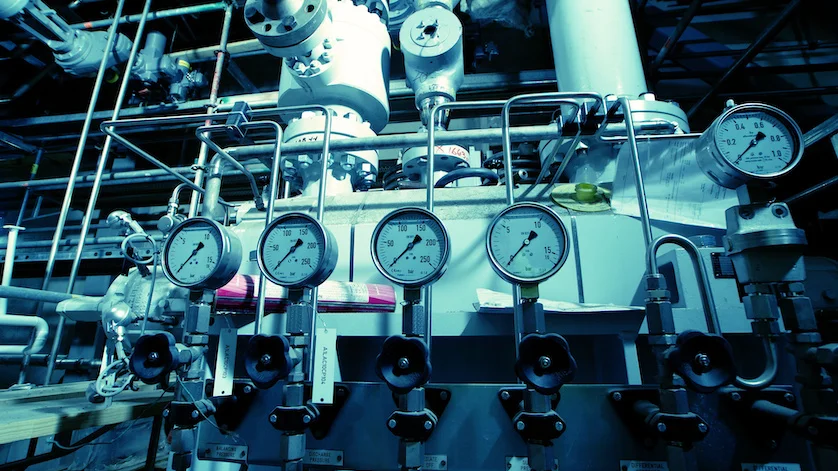

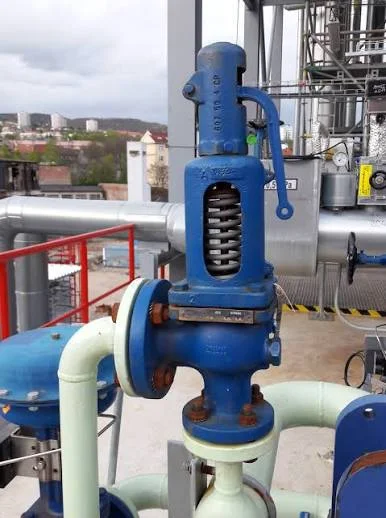


Photographs illustrate typical settings; they are not from P3i cases.
Follow one change through the plant
Follow one change. Watch the hazard build.
Most process events we investigate began with a change nobody reviewed.
INSTALL · RISING
Drawings and procedures lag behind
The plant changes; the drawings, alarms and operating instructions do not.
Illustrative, drawn from the kinds of events we investigate.
How we help
Where we step in. Before and after the upset.
Who calls us
Plant manager
The real cause behind the upset
Process safety lead
Barrier and management-of-change findings
Compliance head
A credible response to the regulator
Insurer
Cause and circumstance for a major loss
Something happened on your site this week? A first call costs nothing, and we will tell you what to preserve today.
The P3i approach
How we investigate chemical & fertilizer incidents. Fact-finding, not fault-finding.
Every P3i investigation is led by a senior investigator and supported by internationally qualified process specialists. You will not receive a list of people to blame, or a long list of generic actions. You will receive the facts, the proven causes, and a short plan that closes the gaps, in this case and across your system.
Independent
No products, repairs or contracts to sell you afterwards.
Senior-led
Thirty years of investigation, from the first call to the final briefing.
Beyond the event
Process specialists find the other cracks before they fail.
Ready to present
Written for boards, buyers, insurers and regulators.
How P3i does it for you
- 01
One confidential call
We help you make the site safe, preserve the evidence and scope a process safety investigation.
- 02
Secure before it is cleaned up
Trends, alarms, trip logs and the failed item secured.
- 03
Facts, not versions
Private interviews where nobody is pushed to name a culprit. The evidence decides.
- 04
Find what the system allowed
Barriers, management of change and trips that were bypassed.
- 05
A plan leadership can approve
Short, costed, owned actions, and a check that they worked.
What you receive
Call us when
Free 30-minute case assessment.
Tell us what happened. In confidence, we will tell you what the investigation should cover, how long it will take and what to preserve today.
How we work with you
What happens after you call.
For chemicals, petrochemicals & fertilizers, the first call covers what happened, what must be preserved, and who needs to be involved. From there, this is the usual pattern.
First hour
A call with a lead investigator. You leave it knowing what to preserve today and who to call next.
Day one
An investigator on site, anywhere in Pakistan. Scope and fixed fee agreed in writing.
Week one
A private briefing on early findings, so urgent risks are dealt with before the report is finished.
Weeks three to four
The final report, the wider system review and a remedial work plan, presented to your team.
After
We come back to check the actions were completed and actually worked.
Typical timings for a single-site event. Complex, multi-party matters take longer, and we tell you so on the first call.
What you receive
A full investigation report. This is only its first page.
The summary is what leadership reads first. Behind it sits the complete file: every witness heard, every document and record examined, and every finding tied to numbered evidence, so a board, an insurer, a buyer or a regulator can test it.
1 · Established sequence
2 · Causes
3 · Wider system findings
4 · Remedial work plan
Illustrative summary page. Report length and structure depend on the scope of each case.
Inside the full report
- 01Executive summary SHOWNThe findings and actions leadership needs, on one page. This is the page shown here.
- 02Terms of reference & scopeThe questions asked, the boundaries of the investigation and who commissioned it.
- 03MethodHow evidence was gathered, and which analysis methods were chosen for this case, and why.
- 04Verified chronologyThe sequence of events, reconstructed from records, data and accounts, minute by minute where it matters.
- 05Site & technical examinationScene, equipment, failed parts, measurements and photographs, with specialists where needed.
- 06Witness evidenceInterview schedule, accounts in summary, and where the witnesses agree and where they conflict.
- 07Documents & recordsPermits, procedures, maintenance, training, rosters, CCTV, tracker and control-system data reviewed.
- 08Causal analysisImmediate, underlying and system causes, each one tied to numbered evidence.
- 09System reviewWhere the same weaknesses exist elsewhere in the operation.
- 10Findings & conclusionsWhat is proven, what is probable, and what remains open, stated plainly.
- 11Recommendations & work planTargeted actions, each with an owner, a date and a test of whether it worked.
- 12AppendicesEvidence register, photograph log, interview records, drawings and data extracts.
Every action has an owner, a date and a test of whether it worked. The evidence stays indexed, so any reader can check how each conclusion was reached.
Questions
What process safety leads ask us first.
Can you investigate a process upset with no injury?
Yes. Upsets and near misses are where the most valuable learning is.
Do you work alongside our technical licensors?
Yes. We coordinate with licensors, OEMs and specialist engineers.
Do your findings support our regulator response?
Yes. They are written to support any engagement with the authorities.