

Since the 1990s
30
years investigating
250+
investigations closed, incl. HiPOs
15
countries served
20+
countries of lead seminars
100+
nationalities trained
By the numbers
Four numbers every asset manager should know.
0.00m
people die on the world’s roads every year. Road vehicle incidents are consistently among the leading causes of fatalities in oil and gas.
WHO road safety report, 2023; IOGP safety data
0hrs
awake, and performance is comparable to a blood alcohol level of 0.05%. Long field shifts and drives home cross that line.
Williamson & Feyer, 2000
0
IOGP Life-Saving Rules. We test every event against them, so partners read findings in the language they already use.
IOGP Report 459
0hrs
is how quickly a P3i lead investigator is engaged after a high-potential event.
P3i service commitment
Where it goes wrong
Six events on a field. What the report usually uncovers.
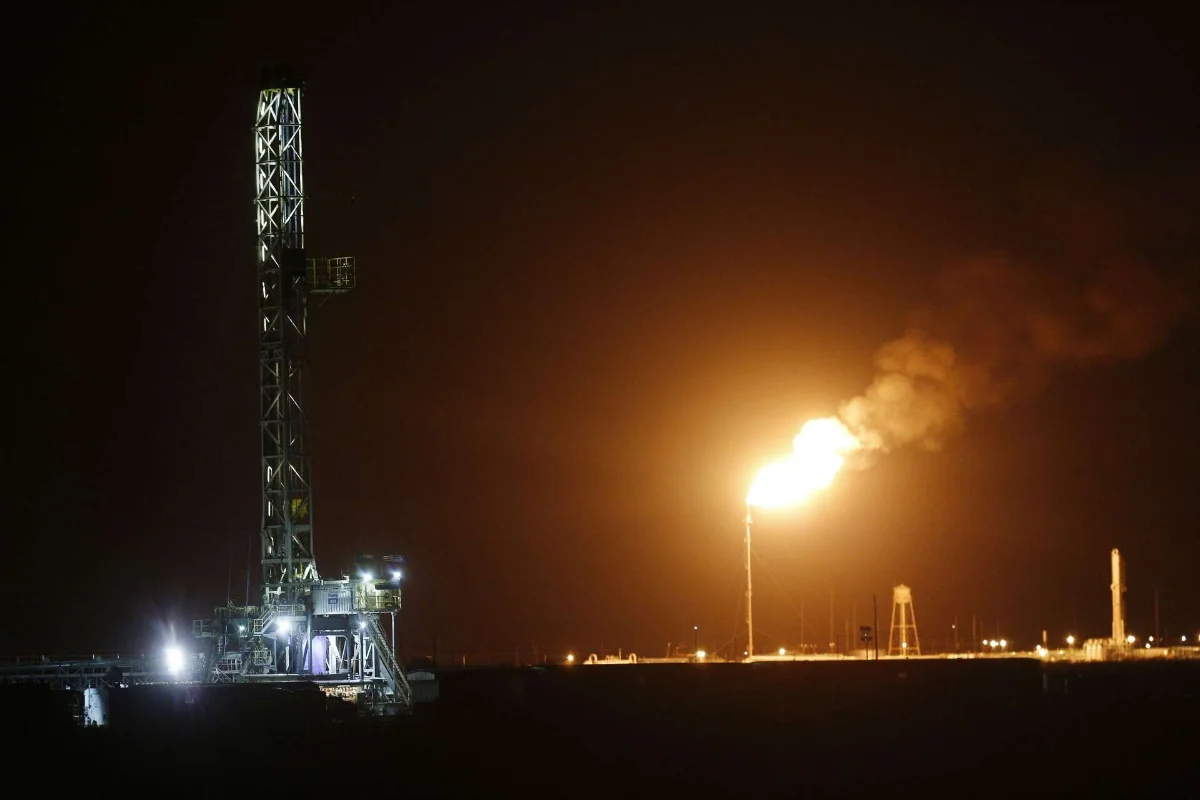
Illustrative, drawn from typical findings. Swipe on mobile, or use the arrows.
Twelve hours on a remote site
Drag through a night shift. Watch the risk move.
The same crew, the same site. What changes is the hour. Most of the serious events we investigate sit in two places on this line.
03:00 · HIGH RISK
Body-clock low
Alertness falls to its lowest point of the day. Checks get skipped without anyone deciding to skip them.
Illustrative. Based on well-established shift-work and fatigue research.
03:00 is when we get the call. Save the number now.
The field notes
Prom Pakistan to the Gulf, the pattern repeats: ageing assets, new partners, and contractors from several countries on one site. That is where handovers fail, and where our investigations usually find the real cause. (Pakistan found its first major gas field at Sui in 1952 and has imported LNG since 2015.)

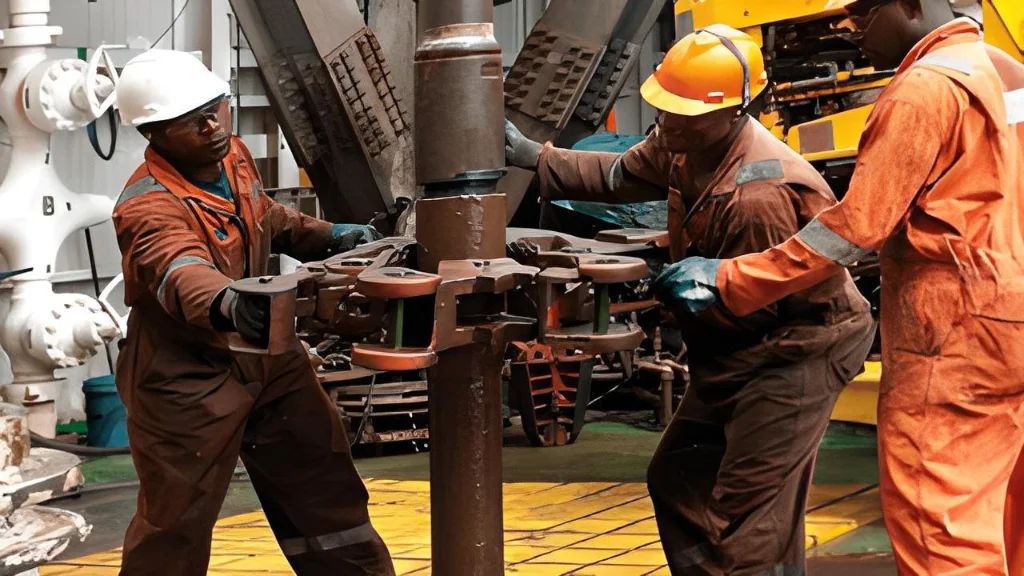
“Your partners will read the report. It has to stand up in any boardroom.”WHAT HSE HEADS TELL US


Why P3i
Why operators call us, not a generalist.
01
Independent
We are not the operator, the contractor or the insurer, so every party can accept the findings.
02
Senior-led
A lead investigator with decades of field experience runs every file, not a junior team with a template.
03
Beyond the event
Every finding is checked across your other sites and shifts, so one investigation closes many gaps.
A typical HiPO engagement
From the 03:00 call to three rigs made safer.
DAY 0 · THE CALL
A dropped object on a rig floor
No one hurt; the potential was a fatality. We tell the rig what to preserve before the next shift.
DAY 2 · ON SITE
Evidence secured
Rig floor, permits, lifting gear and CCTV examined; operator and drilling-contractor crews interviewed separately.
DAY 10 · FINDINGS
Causes proven
A secondary retention missing after a change of equipment, and no dropped-object survey since the last move.
DAY 60 · CHECK
Three rigs, verified
Surveys and retention checks rolled out across the fleet; we verify completion for the partners.
Composite of typical engagements, shown for illustration. Real anonymised cases will replace it.
What your partners receive
A report that stands up in any boardroom.
Written for operators, joint-venture partners, insurers and regulators. Delivered in your own or your partner’s template on request.
1One-page executive summary for the board
2Event description and potential severity
3Verified timeline from every party’s records
4Barrier analysis and Life-Saving Rule check
5Causal factors and organisational root causes
6Wider gaps across other sites and shifts
7Actions with owners, dates and a test of success
8Evidence index and stated limitations
Who calls us
HSE head
An investigation that meets IOGP-level expectations
Asset manager
Findings that protect production
Contracts manager
Clarity across operator and contractor
Insurer
Independent cause and circumstance
How we help
Four ways in. One international standard.
01HiPO investigation within 48 hoursA lead investigator engaged within 48 hours of a high-potential event.→02Contractor incident reviewIndependent review across operator and contractor.→03Investigation quality auditReview of your recent investigations against good practice.→04RCA training for site teamsPractical investigation training for supervisors and HSE staff.→
A near miss on your site this week? A first call costs nothing, and we will tell you what to preserve before the next shift.
The P3i approach
How we investigate oil, gas & energy incidents. Fact-finding, not fault-finding.
Every P3i investigation is led by a senior investigator and supported by internationally qualified process specialists. You will not receive a list of people to blame, or a long list of generic actions. You will receive the facts, the proven causes, and a short plan that closes the gaps, in this case and across your system.
Independent
No products, repairs or contracts to sell you afterwards.
Senior-led
Thirty years of investigation, from the first call to the final briefing.
Beyond the event
Process specialists find the other cracks before they fail.
Ready to present
Written for boards, buyers, insurers and regulators.
How P3i does it for you
- 01
One confidential call
We grade the event and engage a lead investigator within 48 hours for HiPOs.
- 02
Secure before it is cleaned up
Control-system data, permits, rig logs and failed parts secured.
- 03
Facts, not versions
Private interviews where nobody is pushed to name a culprit. The evidence decides.
- 04
Find what the system allowed
Barriers, permits and contractor interfaces that let the event through.
- 05
A plan leadership can approve
Short, costed, owned actions, and a check that they worked.
What you receive
Call us when
Free 30-minute case assessment.
Tell us what happened. In confidence, we will tell you what the investigation should cover, how long it will take and what to preserve today.
How we work with you
What happens after you call.
For oil, gas & energy, the first call covers what happened, what must be preserved, and who needs to be involved. From there, this is the usual pattern.
First hour
A call with a lead investigator. You leave it knowing what to preserve today and who to call next.
Day one
An investigator on site, anywhere in Pakistan. Scope and fixed fee agreed in writing.
Week one
A private briefing on early findings, so urgent risks are dealt with before the report is finished.
Weeks three to four
The final report, the wider system review and a remedial work plan, presented to your team.
After
We come back to check the actions were completed and actually worked.
Typical timings for a single-site event. Complex, multi-party matters take longer, and we tell you so on the first call.
What you receive
A full investigation report. This is only its first page.
The summary is what leadership reads first. Behind it sits the complete file: every witness heard, every document and record examined, and every finding tied to numbered evidence, so a board, an insurer, a buyer or a regulator can test it.
1 · Established sequence
2 · Causes
3 · Wider system findings
4 · Remedial work plan
Illustrative summary page. Report length and structure depend on the scope of each case.
Inside the full report
- 01Executive summary SHOWNThe findings and actions leadership needs, on one page. This is the page shown here.
- 02Terms of reference & scopeThe questions asked, the boundaries of the investigation and who commissioned it.
- 03MethodHow evidence was gathered, and which analysis methods were chosen for this case, and why.
- 04Verified chronologyThe sequence of events, reconstructed from records, data and accounts, minute by minute where it matters.
- 05Site & technical examinationScene, equipment, failed parts, measurements and photographs, with specialists where needed.
- 06Witness evidenceInterview schedule, accounts in summary, and where the witnesses agree and where they conflict.
- 07Documents & recordsPermits, procedures, maintenance, training, rosters, CCTV, tracker and control-system data reviewed.
- 08Causal analysisImmediate, underlying and system causes, each one tied to numbered evidence.
- 09System reviewWhere the same weaknesses exist elsewhere in the operation.
- 10Findings & conclusionsWhat is proven, what is probable, and what remains open, stated plainly.
- 11Recommendations & work planTargeted actions, each with an owner, a date and a test of whether it worked.
- 12AppendicesEvidence register, photograph log, interview records, drawings and data extracts.
Every action has an owner, a date and a test of whether it worked. The evidence stays indexed, so any reader can check how each conclusion was reached.
Questions
What operators ask us first.
Can you meet our partner's investigation standard?
Yes. Findings can be delivered in the format your partners or parent company require.
Do you work in remote field locations?
Yes, subject to the site's security and travel arrangements.
Can you investigate contractor incidents?
Yes, independently of both operator and contractor.