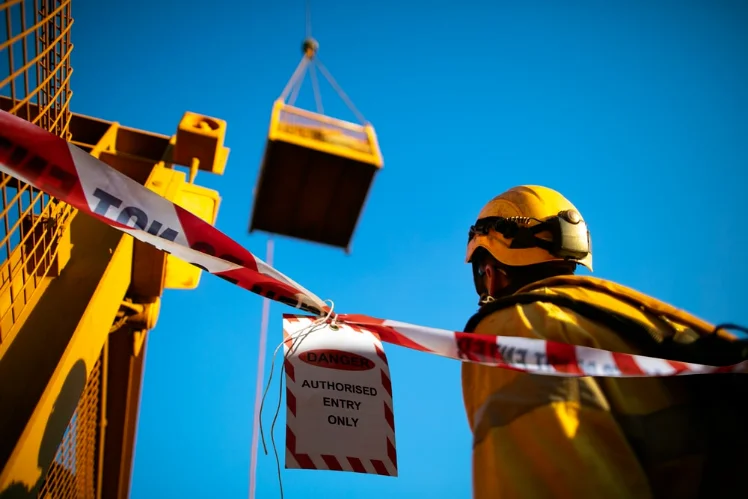
A load swings free of its sling and lands a metre from a worker. Nobody is hurt, so nothing is recorded as an injury. In most organisations, that event is a relief. In the best ones, it is treated almost exactly as if someone had died.
Luck is not a control
A high-potential incident (HiPO) is one that, in slightly different circumstances, could have caused death or life-changing injury. The difference between the near miss and the fatality was usually luck: timing, position, a few centimetres.
The ratio behind the warning
Frank Bird's widely cited 1969 study of industrial accident reports found that for every serious injury there were many minor injuries and hundreds of incidents with no injury at all. The exact numbers are debated, but the lesson holds: serious events are preceded by many warnings.
Why HiPOs are the best investigations
A near miss gives you all the evidence of an accident, with none of the grief, the legal pressure or the disruption. People talk freely. The conditions are still there to examine.

Investigate the barriers that nearly failed
A HiPO investigation asks which defences held, which failed and which were missing. The answers show exactly where the next fatality will come from, while there is still time to prevent it.
KEY TAKEAWAYS
→Treat high-potential near misses like serious accidents.
→Serious events are preceded by many warnings.
→A HiPO investigation shows where the next fatality will come from.
QUESTIONS READERS ASK
What is a HiPO?
A high-potential incident: an event that could credibly have caused death or life-changing injury, whether or not anyone was hurt.
Why investigate near misses?
Because they reveal the same weaknesses as serious accidents, with full evidence and open witnesses, before anyone is harmed.